
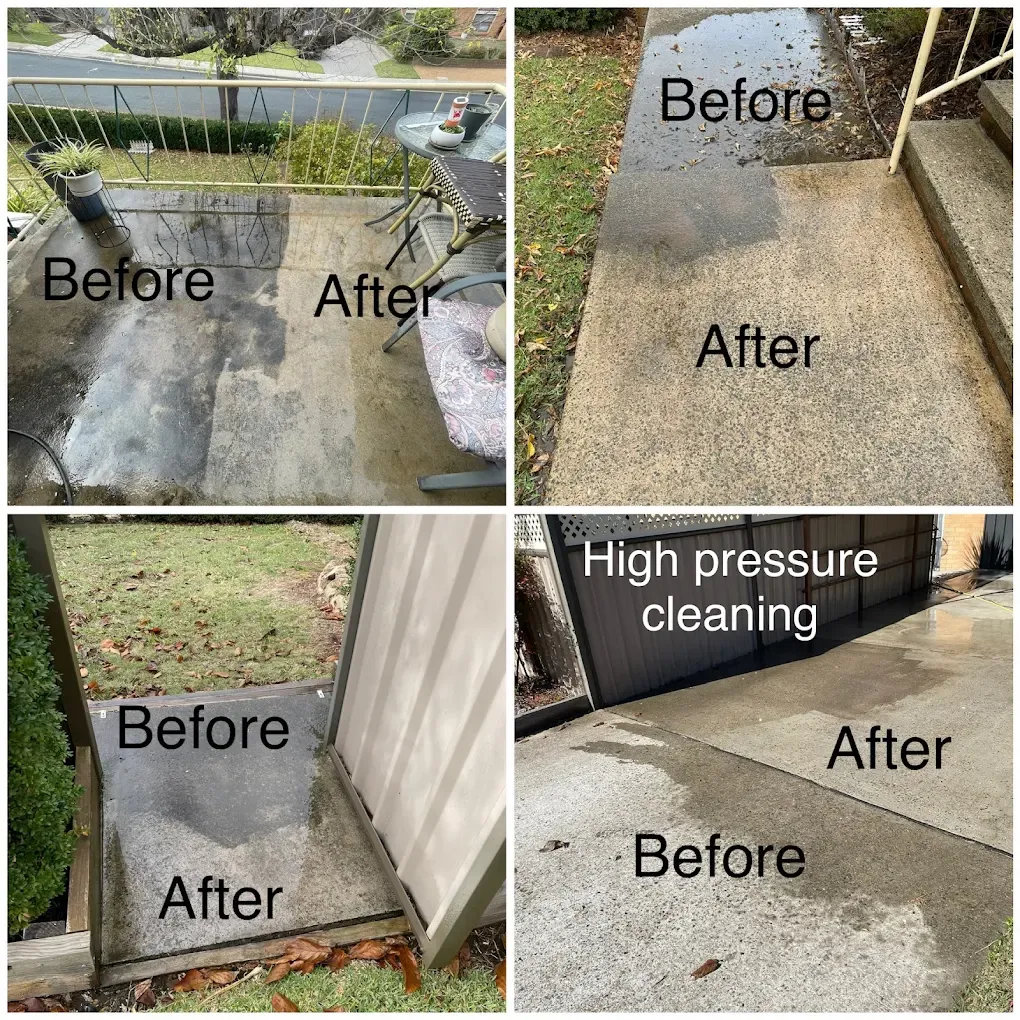
Pressure washing looks simple. Point, squeeze, watch the dirt go. The trouble is that some surfaces can't take it, and the damage is often permanent. Polytechnitis cleans driveways, paths, decks and patios across Canberra and Queanbeyan, and we turn down some jobs because the pressure itself would do the harm.
If you're doing the job yourself, the ACT water and drain rules apply to you too. They're at the end.
What you should never pressure wash
Don't pressure wash 4 things: asbestos-containing materials, loose or flaking old paint, rotten timber, and loose mortar or damaged paving. Use much gentler pressure on 2 more: timber decks and old concrete. Stronger pressure doesn't always give a better clean.
- Asbestos-containing materials. Pressure can release fibres.
- Loose or flaking old paint. It could contain lead.
- Rotten timber. It needs repair, not cleaning.
- Old concrete. Pressure can strip the top layer.
- Timber decks. They need far gentler pressure than concrete.
- Loose mortar and damaged paving. Pressure makes the damage worse.
Asbestos: homes built before 1990
The ACT Government says any home built in the ACT before 1990 may contain asbestos. Its asbestos page lists high-pressure water blasters used to clean before painting as an example of work that can release fibres.
WorkSafe ACT's guidance note is firmer. It says cleaning asbestos-containing material with high pressure air or water devices does not count as minor routine maintenance work.
The Asbestos and Silica Safety and Eradication Agency says never to use high-pressure water or any abrasive process to clean asbestos cement roofs or any other asbestos material.
If your eaves, fence sheeting, shed or old cladding might be asbestos cement, don't blast it, and don't pay anyone to. We won't pressure wash it. We'll explain the risk and suggest a safer way to deal with it.
Old and flaking paint
Don't pressure wash loose or flaking old paint, because it could contain lead. The Australian Government's Lead Alert painting guide says homes built before 1970 are most at risk of lead paint, though newer homes may also have it. It says not to dry sand or use abrasive blasting on old paint.
We can't know what is in loose or flaking paint, so we won't blast it with water either. Instead, we'll explain the risk and recommend something safer.
Sound painted surfaces can still be damaged. In our experience, excessive pressure can permanently harm painted surfaces. Dulux's maintenance advice for its Weathershield exterior paint is to use low pressure water for regular washing.
Old concrete driveways
Yes, pressure washing can damage concrete, especially old concrete. Polytechnitis has seen a homeowner use too much pressure on an old driveway and strip away the top layer. It left permanent marks. Cleaning couldn't fix it, and the damaged sections needed resurfacing.
In our experience, concrete can generally handle more pressure than timber, but we still check its condition first, especially on older driveways. A gentler approach with the right cleaning solution often gives the better result.
Timber decks
In our experience, timber decks are the surface people get wrong most often. On a deck, Polytechnitis uses far gentler pressure than on concrete and works carefully with the grain.
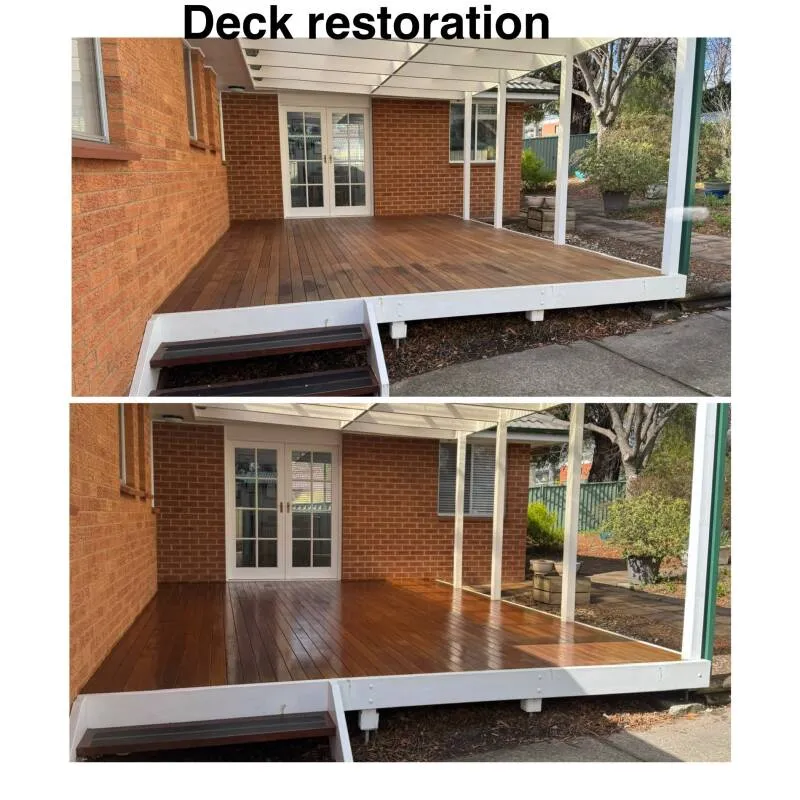
WoodSolutions, the Australian timber industry's technical guide, says to avoid hosing a deck down for routine cleaning and to use a broom or a blower instead.
We won't pressure wash rotten timber at all. It needs repair, not cleaning, and our carpentry and timber repairs cover that.
Why Canberra is harder
In our experience, Canberra's cold winters, frost and shade let moss and algae build up. South-facing paths and driveways often need extra attention, particularly around older homes with mature trees.
The Bureau of Meteorology's Canberra Airport records show an average of 92.4 days a year when the minimum temperature falls to 2 °C or below, and 58.8 days at 0 °C or below. That is based on 18 years of data, 2008 to 2026.
Moss is a slip risk as well as an eyesore. The Better Health Channel advises removing mosses, fungi and lichen from garden paths because they are slippery when wet.
Common mistakes when you use a pressure washer yourself
These are 4 common mistakes when you use a pressure washer yourself:
- Using too much pressure.
- Holding the nozzle too close.
- Using the wrong attachment.
- Not testing a small area first.
More pressure doesn't mean a better clean. Sometimes the right cleaning solution and a gentler approach work better than blasting everything with high-pressure water.
Windows and injury risks
Windows are another place where more pressure causes trouble. Trend Windows, an Australian window maker, says in its care guide never to direct powerful streams of water directly at its windows or doors. It says to use the sprinkle setting on a hose nozzle and direct the water downwards, to avoid the risk of water leaking into your home.
The machine can also hurt the person using it. WorkSafe Victoria's safety alert on high-pressure water jetting, written for workplaces, lists the main risks as the water jet piercing the skin, contaminated material being injected into the body, and flying debris, including eye injuries.
What we check first
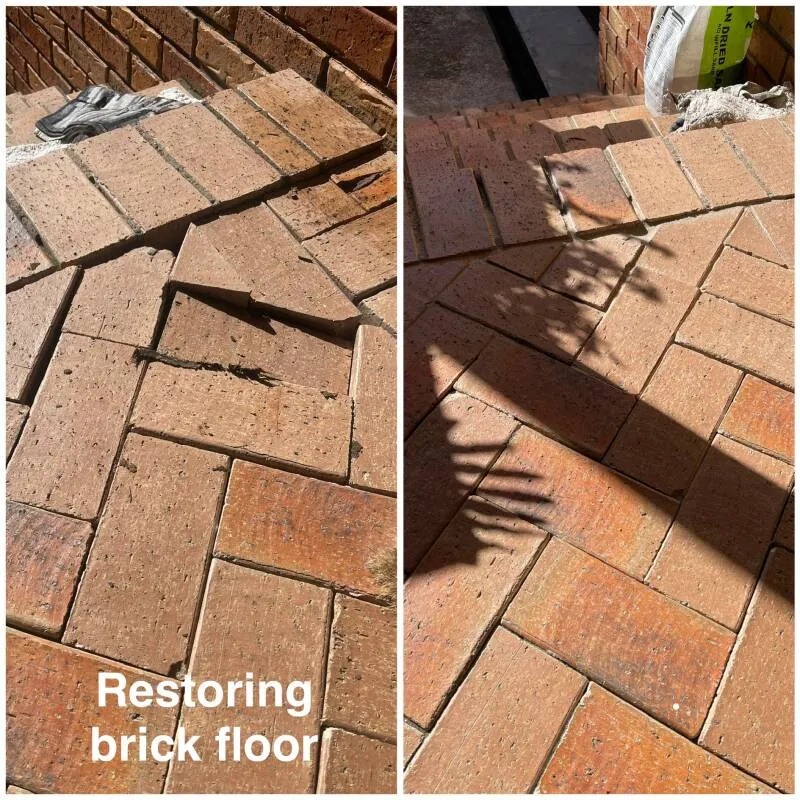
Polytechnitis checks the surface before any pressure washing starts. If we find loose mortar, damaged paving or deteriorating concrete, we explain the problem before we start. There's no point cleaning something if the pressure could make the damage worse. Repairs come first, and our property maintenance work covers them.
Before we arrive, you can help by doing 2 things:
- Move vehicles, outdoor furniture and anything fragile away from the work area.
- Make sure we have access to water and electricity if required.
We protect nearby surfaces and plants.
ACT water, detergent and drain rules
Icon Water's permanent water conservation measures let you clean driveways and paved areas with a bucket and mop or a high-pressure low-volume cleaner at any time. Otherwise you must not use water to clean paved areas, unless it's needed because of an accident, fire, health hazard or other emergency. Even then, you should use the most water-efficient method available.
Access Canberra says it is an offence to allow any substance other than rainwater to enter the stormwater system. If you do it yourself, keep detergent and dirty run-off out of the street drain.
Not sure it's safe to pressure wash?
Send a photo and your address and we'll come back with a fixed price before the machine turns on. If you'd rather talk first, ring 0424 705 056, or send us the photos. Our pressure washing in Canberra page has the full list of what we clean.
Sources
Polytechnitis read each of these pages directly on 20 November 2026.
- ACT Government, asbestos, last updated 14 July 2026: homes built before 1990, and high-pressure water blasters listed as work that can release fibres.
- WorkSafe ACT, asbestos safety: minor routine maintenance work: cleaning asbestos-containing material with high pressure air or water devices is not minor routine maintenance. The document shows no publication date.
- Asbestos and Silica Safety and Eradication Agency, householders and home renovators: never use high-pressure water or any abrasive process to clean asbestos cement roofs or any other asbestos material. The page shows no date.
- Australian Government, Lead Alert: the six step guide to painting your home, fifth edition, 2016: homes built before 1970 most at risk, and no dry sanding or abrasive blasting.
- Dulux, Weathershield Low Sheen: low pressure water for regular washing. The page shows no date.
- WoodSolutions, technical design guide 21: domestic timber deck design, revised October 2020: routine deck cleaning with a broom or blower.
- Bureau of Meteorology, climate statistics for Canberra Airport: days with a minimum of 2 °C or below and 0 °C or below, 2008 to 2026, prepared 14 November 2026.
- Better Health Channel, preventing falls at home, reviewed 8 May 2026: removing moss from garden paths.
- WorkSafe Victoria, high-pressure water jetting, published 14 September 2022: the water jet may pierce the skin, contaminated material may be injected into the body, and flying debris may injure a person, including eye injuries. The alert is written for employers and workers.
- Trend Windows, care and maintenance guide: never direct powerful streams of water directly at the windows or doors, and use the sprinkle setting on the hose nozzle to avoid water leaking into the home. The document shows no date.
- Icon Water, permanent water conservation measures for residents: cleaning paved areas.
- Access Canberra, landscape gardening and garden maintenance fact sheet: only rainwater may enter the stormwater system. The sheet shows no date.