
"Can a handyman do this?" is one of the most common questions we get asked, and it is a fair one. The line between handyman work and licensed trade work is not always obvious, and getting it wrong costs people money either way. Book a handyman for a job that legally needs a licensed tradesperson and the work has to be redone. Book a licensed tradesperson for something a handyman could have sorted in twenty minutes and you have paid a call-out fee you did not need to.
This is a straight answer to where handyman work starts and stops in the ACT, and where we hand a job to an electrician, plumber, gasfitter or licensed builder instead.
What a handyman covers
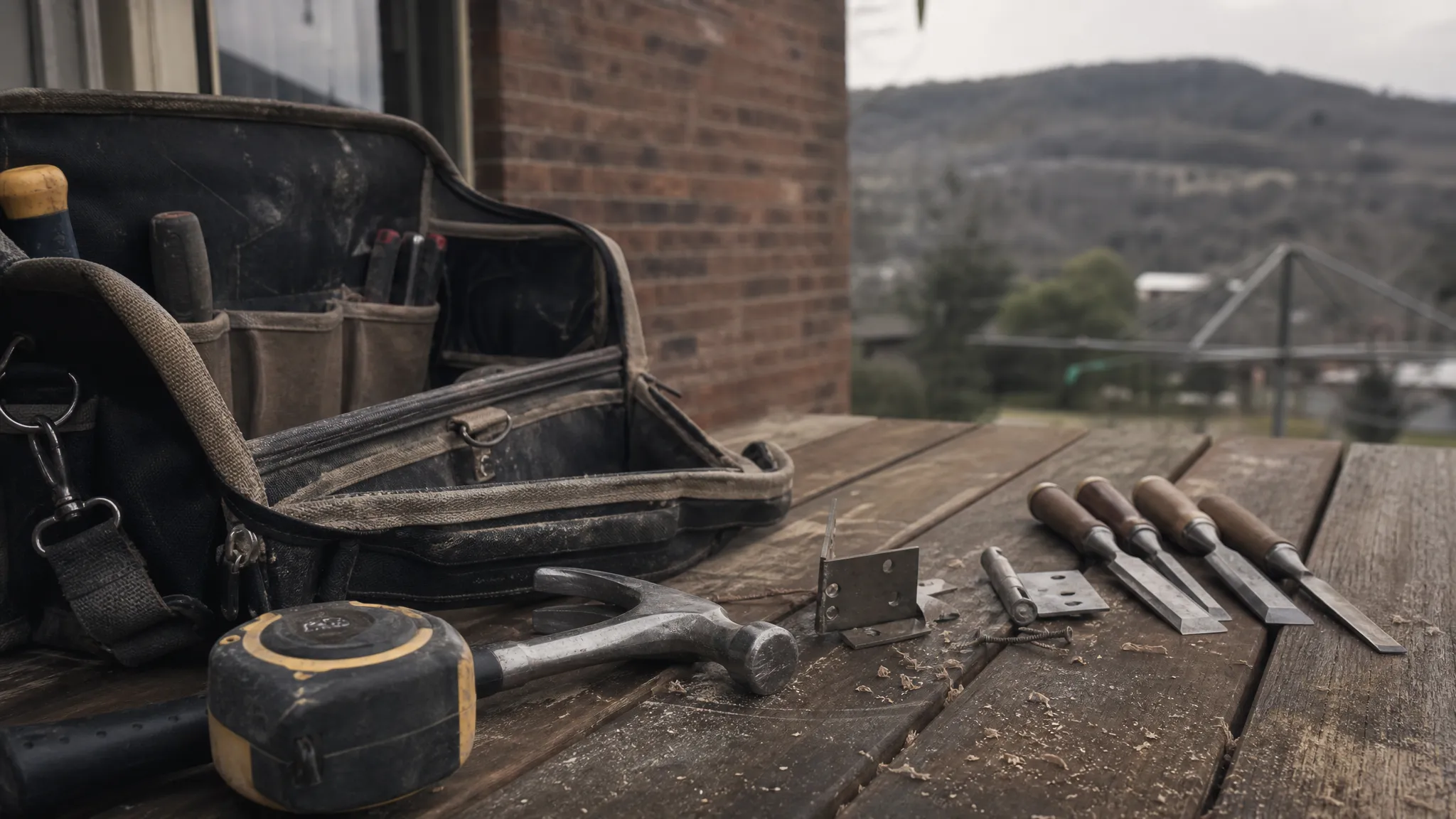
The bulk of handyman work is non-structural repair and maintenance work that does not touch fixed electrical wiring, gas, or the structural elements of a building. In practice, that covers most of what actually goes wrong in a home:
- Door and lock repairs, sticking doors, hinges, sliding door tracks
- Carpentry and general repairs: shelving, skirting, handrails, timber trim, deck maintenance
- Painting and wall repairs, wall patching, plaster repairs and crack filling
- Flat pack assembly and furniture installation
- Picture and mirror hanging, TV wall mounting, and other small jobs
- Gutter cleaning and minor gutter repair
- Fence and gate repairs, paving, pressure washing
- General property maintenance and the small jobs that pile up on a list
None of this needs a licence in the ACT. It needs someone who knows what they are doing and turns up, which is most of what our reviews actually thank us for.
Handyman scope: non-structural repairs, maintenance and installs, no licence required
Electrical work
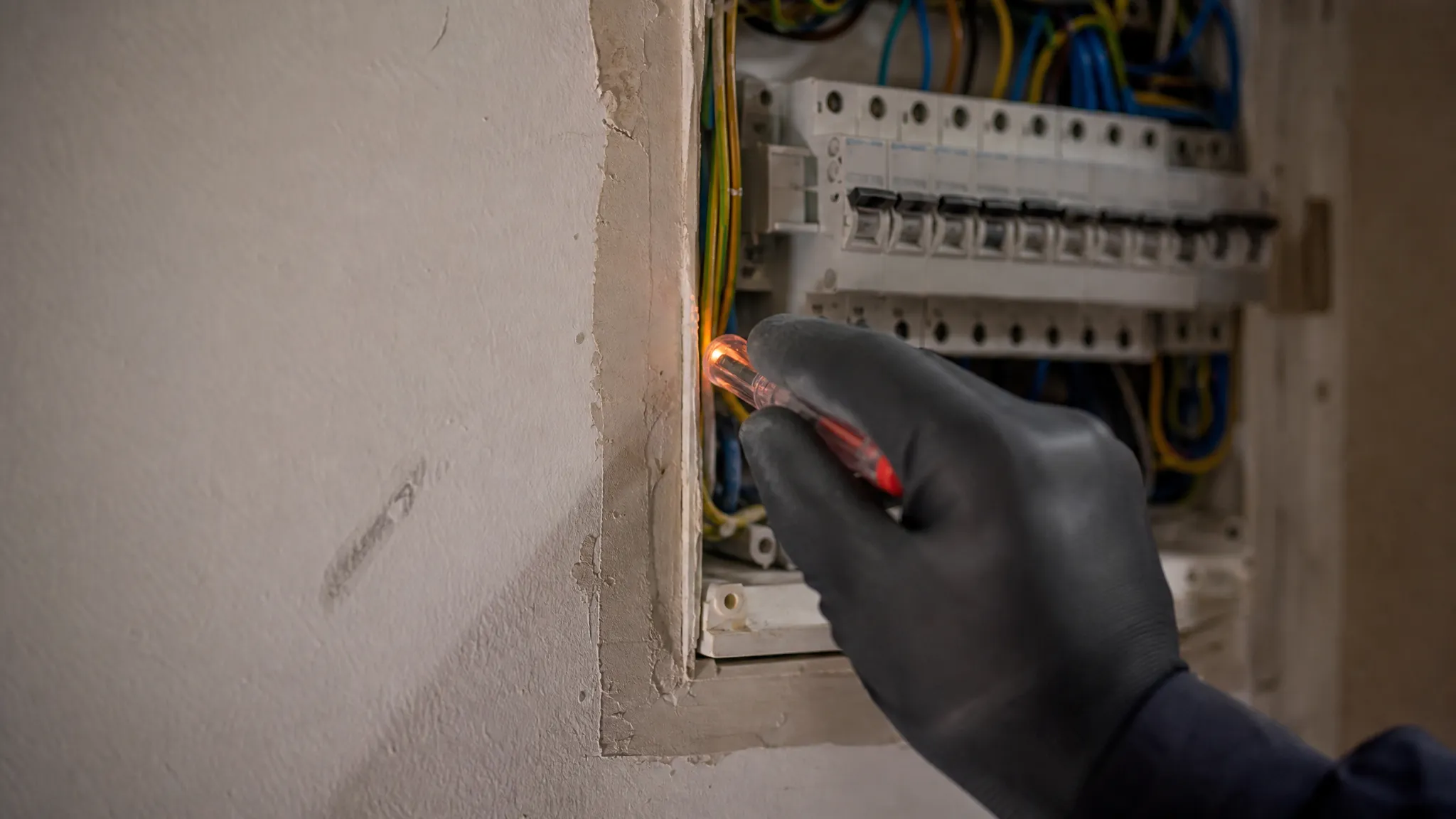
Any work on fixed electrical wiring in Australia has to be done by a licensed electrician, full stop. That covers power points, light fittings, switchboards, wiring for a new appliance circuit, and anything behind a wall plate. It is not a grey area and it is not something a handyman business should ever offer, regardless of how simple the job looks.
Where handyman work and electrical work brush up against each other is installs: mounting a TV bracket is handyman work, running a new power point behind it for a tidy cable setup is electrician work. We do the mounting and tell you upfront if the job needs an electrician alongside us.
Needs a licensed electrician: always, no exceptions
Plumbing and gas
Same principle. Gas fitting always needs a licensed gasfitter. Plumbing work that alters pipework, fixes a leak in a wall or under a slab, or connects to the water or sewer system needs a licensed plumber. A handyman can replace a tap washer or reseal a shower screen. A handyman should not be touching a gas line or opening up a wall to chase a pipe.
A dripping tap or a loose toilet cistern is a fair handyman call. A gas hot water system, a burst pipe, or anything past the isolation valve is a plumber's job.
Needs a licensed plumber or gasfitter: always, no exceptions
"If we're not sure, we don't guess. We'd rather tell you it needs a trade and lose the job than do it anyway and have you dealing with the consequences." , TEAM NOTE · POLYTECHNITIS
Structural building work
In the ACT, building work is regulated under the Building Act, and work that affects the structure of a building, load-bearing walls, footings, roof structure, or anything requiring a building approval, needs a licensed builder. Minor, non-structural work is generally exempt, which is why a handyman can replace a fence paling or repair a section of decking but should not be removing a load-bearing wall or altering roof framing.
If a job involves changing the shape or structure of a building rather than repairing or maintaining what is already there, that is the point to ask the question rather than assume.
If in doubt, ask before work starts, not after
Roofing
Roof structure and roof plumbing (flashing, box gutters, downpipes tied into the roof drainage system) sit with licensed roofers and roof plumbers. Gutter cleaning and clearing, and minor gutter repair like a loose bracket or a small leak at a join, is standard handyman work and one of the jobs we do most often across Canberra. Re-sheeting a roof or replacing flashing is not.
Gutter cleaning and minor repair: handyman. Roof structure and flashing: licensed trade
THE SIMPLE TEST
If the job is fixing, maintaining or installing something that already exists, it is usually handyman work. If it involves electrical wiring, gas, plumbing beyond a tap or fitting, or changing the structure of the building, it needs a licensed trade. When it is not clear, ask, we would rather answer the question than have you find out the hard way.
The grey areas
Most enquiries are not actually grey, they just feel that way from outside the trades. A few common ones:
Installing a light fitting, if it is a straight swap on an existing point with the same wiring, some jurisdictions still require a licensed electrician for any connection work. We treat this as electrician work every time, not a judgement call.
Deck and pergola work, replacing boards and rails on an existing deck is handyman work. Building a new deck or altering its footings, particularly anything requiring council approval, is licensed builder territory.
Fence replacement, repairing or replacing individual palings and rails is handyman work. A full fence rebuild involving new posts and footings can still be handyman work in most cases, since fencing generally sits outside structural building work, but we will flag anything that looks borderline before quoting.
Bathroom and kitchen fit-outs, cosmetic work like regrouting, resealing and minor tile replacement is handyman work. A full renovation involving plumbing relocation, waterproofing, or structural changes needs the relevant licensed trades, usually more than one.
Why this actually matters
Two reasons, beyond the obvious safety one. First, insurance. If unlicensed work causes damage, a home and contents policy can refuse the claim. Second, resale and rental compliance. Electrical and gas work without a licensed compliance certificate can hold up a property sale or fail a rental inspection later, sometimes years after the work was done and long forgotten.
Getting the right trade on the right job the first time is cheaper than sorting out the fallout from getting it wrong, even when the wrong option looked like the faster fix at the time.
How we handle it
We are a team, not a one-person operation, which means someone on the job has usually seen the exact scenario before. When a job is squarely handyman work, we get on with it. When it crosses into electrical, gas, plumbing or structural territory, we say so upfront, before any work starts and before it turns into a wasted call-out. Where it helps, we can point you to a licensed trade we trust for that side of the job.
If you are not sure which side of the line your job sits on, that is exactly what the phone call is for. Tell us what needs doing and we will tell you straight whether it is ours to do.
Not sure if it's a handyman job? Tell us what needs doing and we will tell you straight, no guessing, no unnecessary call-out. Ring 0424 705 056 or see what we cover.